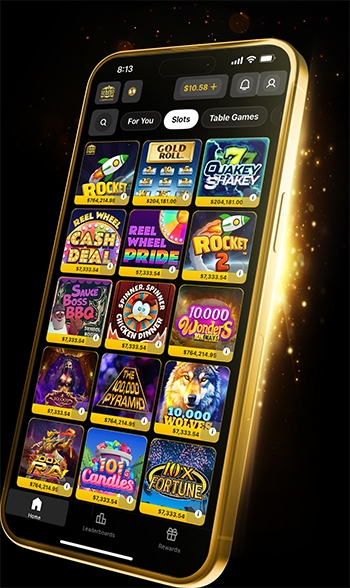
gry w automaty za darmo 2026 — poradnik dla graczy

gry w automaty za darmo — bezpieczna gra w 2026

gry w automaty za darmo to temat, który w ostatnich miesiącach zyskał na znaczeniu wśród polskich graczy. Wraz z rosnącą popularnością platform hazardowych, rośnie też zainteresowanie różnorodnymi automatami.

Warto jednak pamiętać, że każda gra rządzi się swoimi prawami. Dlatego też, zanim zaczniesz przygodę z konkretnym tytułem, poznaj zasady oraz funkcje, które oferuje darmowe automaty do gier – to klucz do udanej zabawy.

Zobacz też:

sts kasyno — strategia bukmacherska | sts casino

Dlaczego warto skorzystać z darmowe automaty hazardowe?

The concept of purchasing a bonus is a nuanced transaction that extends far beyond a simple exchange of currency for an additional benefit. In the realm of consumer economics, a bonus is typically a value-added incentive designed to entice a purchase, reward loyalty, or differentiate a product from its competitors. When a consumer decides to buy a bonus, they are not merely acquiring an extra item or service; they are engaging in a calculated decision that weighs the perceived utility of the bonus against its cost, often within the context of a larger primary purchase. This phenomenon is particularly prevalent in industries such as retail, where buy-one-get-one-free offers, gift-with-purchase promotions, and loyalty point multipliers are common tactics. For instance, a cosmetics brand might offer a deluxe sample kit as a bonus for spending over a certain threshold, and the consumer who chooses to buy that bonus—either by increasing their cart size or paying a nominal fee—is making a strategic choice to maximize their overall satisfaction. The psychology behind this is fascinating: the bonus creates a sense of urgency and exclusivity, tapping into the fear of missing out (FOMO) and the desire for a good deal. Behavioral economists have studied how the framing of a bonus can alter its perceived value; a bonus that is presented as a limited-time offer or a member-exclusive perk often carries more weight than a perpetual add-on. Moreover, the decision to buy a bonus involves a trade-off analysis, where the consumer must consider opportunity costs—what else could that money buy? For example, a gamer might purchase a season pass that includes bonus in-game content, weighing the hours of entertainment against the price, while a frequent flyer might buy a lounge access bonus that enhances their travel experience. In the digital age, buying bonuses has become even more complex, with microtransactions in mobile games, premium subscription tiers with bonus features, and crowdfunding campaigns that offer tiered bonuses as rewards. Each of these scenarios requires a different evaluation framework. In gaming, a bonus might be a rare character skin that has no gameplay advantage but offers social status, whereas in finance, a bonus could be a higher interest rate on a savings account that provides tangible monetary returns. The act of buying a bonus also has implications for the seller; it allows businesses to segment their customer base, identify high-value consumers, and cultivate brand advocates. From a legal standpoint, buying a bonus often involves terms and conditions that govern its use, expiration, and transferability, adding a layer of complexity that consumers must navigate. For instance, a bonus offered as a gift card might have a limited validity period, or a bonus subscription might auto-renew at full price unless canceled. Understanding these nuances is crucial for consumers to avoid disappointment or hidden costs. Furthermore, the cultural context influences how bonuses are perceived; in some societies, haggling for a bonus is customary, while in others, it is seen as pushy. The rise of e-commerce has also introduced dynamic pricing and personalized bonuses, where the same product might have a different bonus based on the user’s browsing history or purchase patterns. This personalization can be both beneficial and concerning, as it raises questions about data privacy and fairness. Ultimately, buying a bonus is a microcosm of consumer behavior, reflecting broader trends in marketing, psychology, and technology. It is not just about the extra item; it is about the relationship between the buyer and the seller, the perceived value, and the emotional satisfaction of getting more for one’s money. Whether it is a free shipping threshold, a buy-one-get-one-half-off deal, or a bonus reward point multiplier, the decision to buy a bonus is a deliberate act that can enhance the overall purchase experience. However, it also requires a level of mindfulness, as not all bonuses are created equal. Some bonuses may be low-quality or irrelevant, leading to buyer’s remorse. Therefore, savvy consumers often research the bonus’s actual value, read reviews, and compare alternatives before committing. In conclusion, buying a bonus is a multifaceted decision that involves financial reasoning, psychological triggers, and strategic planning. It is a practice that is deeply embedded in modern commerce, and its significance cannot be overstated. As markets evolve and new forms of bonuses emerge—such as exclusive access to beta tests, limited-edition merchandise, or carbon offset credits—the concept of buying a bonus will continue to adapt, offering both opportunities and challenges for consumers and businesses alike. The next time you consider buying a bonus, remember that you are participating in a sophisticated dance of value creation and consumption, where every extra perk has a story, a cost, and a potential payoff that goes beyond the surface. To illustrate, consider a coffee shop that offers a loyalty card where the tenth purchase is free; the consumer who buys that bonus by purchasing nine coffees is not just paying for caffeine but investing in a future reward that fosters habit formation and brand attachment.

kasyno z szybka wyplata 2026 — kasyno z szybka wyplata srodkow

Mistrzowskie wskazówki: gry na automatach online za darmo w praktyce

Wybierz legalne kasyno online z licencją Ministerstwo Finansów i zarejestruj konto.

Wpłać depozyt, korzystając z dostępnych metod płatności, pamiętając o minimalnej kwocie zł8.

Zapoznaj się z zasadami gry – sprawdź liczbę bębnów, linie wypłat, zmienność i RTP wybranego slotu.

Uruchom automat i postaw zakład, dostosowując stawkę do swojego budżetu.

Obserwuj rundę podstawową i aktywuj funkcje bonusowe, takie jak darmowe spiny lub rundy z mnożnikami.

Sprawdź warunki obrotu wygranymi z bonusów (Wymagany obrót 25x) i wypłać środki, jeśli spełniłeś wymagania.

gry w automaty za darmo wyróżnia się intuicyjnym interfejsem i łatwą nawigacją.

Warunki Bonusowe dla Graczy Slotów

  • bonus zł1500
  • zł750 bonus powitalny
  • 25 darmowych spinów
  • Playthrough 30x w 21 dni
  • Obrót 30x w 21 dni

Wizualizacja gry w automaty za darmo

gry w automaty za darmo

20bet kasyno — strategia bukmacherska | 20bet casino
total casino poker — graj o wysokie stawki | total casino

Czym jest gry na automatach online za darmo i jak działa?

Czym są automaty online i jak działają?

Automaty online to cyfrowe odpowiedniki klasycznych jednorękich bandytów, które losują wyniki za pomocą generatora liczb losowych (RNG). Gracz obstawia zakład, uruchamia bębny, a po zatrzymaniu się symboli wygrywa, jeśli na aktywnych liniach wypadną zgodne kombinacje.

Co to są linie wypłat (paylines) i bębny?

Bębny to pionowe kolumny z symbolami, które obracają się po każdym zakręceniu, a linie wypłat to określone ścieżki na bębnach, wzdłuż których tworzą się zwycięskie kombinacje. Nowoczesne sloty często oferują od 10 do nawet 1000 sposobów wygranej, gdzie zamiast sztywnych linii liczy się sąsiedztwo symboli.

nowe kasyno online 2022 2026 — sprawdzone platformy

Czym jest zmienność (volatility) w slotach?

Zmienność to wskaźnik ryzyka i częstotliwości wypłat – niska zmienność daje częste, ale mniejsze wygrane, a wysoka rzadkie, ale bardzo wysokie nagrody. Wybór zależy od preferencji gracza: ci, którzy lubią dłuższą grę, wybierają niską, a łowcy dużych jackpotów – wysoką.

Co oznacza RTP w grach slotowych?

RTP (Return to Player) to procentowy wskaźnik teoretycznego zwrotu z gry w długim okresie, np. RTP 96% oznacza, że z każdej wpłaconej złotówki gracz otrzyma średnio 0,96 zł. Warto wybierać gry z RTP powyżej 95%, aby zwiększyć swoje szanse na dłuższą rozgrywkę.

Czym są funkcje bonusowe i jackpoty w slotach?

Funkcje bonusowe to dodatkowe atrakcje, takie jak darmowe spiny, mnożniki, symbole Wild i Scatter, które zwiększają wygraną lub odblokowują rundy z nagrodami. Jackpot to natomiast specjalna pula nagród, która może być stała (Fixed) lub progresywna (Progressive), rosnąca z każdym zakładem aż do momentu trafienia głównej wygranej.

Kto tworzy oprogramowanie do slotów i dlaczego to ważne?

Oprogramowanie do slotów dostarczają wyspecjalizowane studia, takie jak NetEnt, Microgaming, Play’n GO czy Pragmatic Play, a wybór renomowanego dostawcy gwarantuje uczciwość, wysoką jakość grafiki i innowacyjne funkcje. Dobre gry od sprawdzonych producentów są regularnie testowane przez niezależne laboratoria, co zapewnia losowość wyników i bezpieczeństwo graczy.

gry w automaty za darmo jest znane z atrakcyjnych bonusów powitalnych dla nowych użytkowników.

Narzędzia samowykluczenia dla graczy slotów online

Hazard jest przeznaczony wyłącznie dla osób pełnoletnich (18+). Pamiętaj, że gra powinna być formą rozrywki, a nie sposobem na zarabianie pieniędzy. Zawsze ustalaj limity czasu i środków finansowych przed rozpoczęciem gry i nigdy nie próbuj odgrywać straconych pieniędzy. W Polsce nadzór nad rynkiem hazardu sprawuje Ministerstwo Finansów, które prowadzi rejestr domen i podmiotów oferujących gry hazardowe. Jeśli czujesz, że tracisz kontrolę nad swoim zachowaniem, skorzystaj z narzędzi samowykluczenia oferowanych przez operatorów lub skontaktuj się z ogólnopolskim Telefonem Zaufania ds. Hazardu pod numerem 801 66 33 44. Graj odpowiedzialnie!

malina kasyno opinie — nasza rekomendacja | malina casino

O autorze: . Redaktor i analityk z 14-letnim doświadczeniem w śledzeniu trendów rynkowych, Tomasz pisze o nowych kasynach, promocjach i zmianach w prawie hazardowym w Polsce.


Posted in Bez kategorii

gry w automaty za darmo 2026 — wygrywaj częściej

gry w automaty za darmo — przegląd nowości na 2026

gry w automaty za darmo w 2026 roku to zdecydowanie jedna z najchętniej wybieranych rozrywek w kasynach online. Dynamiczny rozwój technologii sprawia, że producenci prześcigają się w tworzeniu coraz bardziej immersyjnych tytułów.

Dzięki temu gracze mogą liczyć nie tylko na klasyczne bębny, ale także na innowacyjne mechaniki, które podnoszą emocje. W tym artykule przyjrzymy się najważniejszym trendom oraz temu, jak wybrać automaty hazardowe za darmo odpowiedni dla siebie.

Zobacz też:

darmowe spiny za rejestrację bez depozytu 2021 2026 — dzisiejsze spiny
jak grac w kasyno online 2026 — jak grac w kasyno z depozytem

Kluczowe informacje o automaty bezplatne gry w kasynach

The concept of purchasing a bonus is a nuanced transaction that extends far beyond a simple exchange of currency for an additional benefit. In the realm of consumer economics, a bonus is typically a value-added incentive designed to entice a purchase, reward loyalty, or differentiate a product from its competitors. When a consumer decides to buy a bonus, they are not merely acquiring an extra item or service; they are engaging in a calculated decision that weighs the perceived utility of the bonus against its cost, often within the context of a larger primary purchase. This phenomenon is particularly prevalent in industries such as retail, where buy-one-get-one-free offers, gift-with-purchase promotions, and loyalty point multipliers are common tactics. For instance, a cosmetics brand might offer a deluxe sample kit as a bonus for spending over a certain threshold, and the consumer who chooses to buy that bonus—either by increasing their cart size or paying a nominal fee—is making a strategic choice to maximize their overall satisfaction. The psychology behind this is fascinating: the bonus creates a sense of urgency and exclusivity, tapping into the fear of missing out (FOMO) and the desire for a good deal. Behavioral economists have studied how the framing of a bonus can alter its perceived value; a bonus that is presented as a limited-time offer or a member-exclusive perk often carries more weight than a perpetual add-on. Moreover, the decision to buy a bonus involves a trade-off analysis, where the consumer must consider opportunity costs—what else could that money buy? For example, a gamer might purchase a season pass that includes bonus in-game content, weighing the hours of entertainment against the price, while a frequent flyer might buy a lounge access bonus that enhances their travel experience. In the digital age, buying bonuses has become even more complex, with microtransactions in mobile games, premium subscription tiers with bonus features, and crowdfunding campaigns that offer tiered bonuses as rewards. Each of these scenarios requires a different evaluation framework. In gaming, a bonus might be a rare character skin that has no gameplay advantage but offers social status, whereas in finance, a bonus could be a higher interest rate on a savings account that provides tangible monetary returns. The act of buying a bonus also has implications for the seller; it allows businesses to segment their customer base, identify high-value consumers, and cultivate brand advocates. From a legal standpoint, buying a bonus often involves terms and conditions that govern its use, expiration, and transferability, adding a layer of complexity that consumers must navigate. For instance, a bonus offered as a gift card might have a limited validity period, or a bonus subscription might auto-renew at full price unless canceled. Understanding these nuances is crucial for consumers to avoid disappointment or hidden costs. Furthermore, the cultural context influences how bonuses are perceived; in some societies, haggling for a bonus is customary, while in others, it is seen as pushy. The rise of e-commerce has also introduced dynamic pricing and personalized bonuses, where the same product might have a different bonus based on the user’s browsing history or purchase patterns. This personalization can be both beneficial and concerning, as it raises questions about data privacy and fairness. Ultimately, buying a bonus is a microcosm of consumer behavior, reflecting broader trends in marketing, psychology, and technology. It is not just about the extra item; it is about the relationship between the buyer and the seller, the perceived value, and the emotional satisfaction of getting more for one’s money. Whether it is a free shipping threshold, a buy-one-get-one-half-off deal, or a bonus reward point multiplier, the decision to buy a bonus is a deliberate act that can enhance the overall purchase experience. However, it also requires a level of mindfulness, as not all bonuses are created equal. Some bonuses may be low-quality or irrelevant, leading to buyer’s remorse. Therefore, savvy consumers often research the bonus’s actual value, read reviews, and compare alternatives before committing. In conclusion, buying a bonus is a multifaceted decision that involves financial reasoning, psychological triggers, and strategic planning. It is a practice that is deeply embedded in modern commerce, and its significance cannot be overstated. As markets evolve and new forms of bonuses emerge—such as exclusive access to beta tests, limited-edition merchandise, or carbon offset credits—the concept of buying a bonus will continue to adapt, offering both opportunities and challenges for consumers and businesses alike. The next time you consider buying a bonus, remember that you are participating in a sophisticated dance of value creation and consumption, where every extra perk has a story, a cost, and a potential payoff that goes beyond the surface. To illustrate, consider a coffee shop that offers a loyalty card where the tenth purchase is free; the consumer who buys that bonus by purchasing nine coffees is not just paying for caffeine but investing in a future reward that fosters habit formation and brand attachment. Similarly, in the travel industry, a hotel might offer a room upgrade as a bonus for booking directly, and the traveler who buys that bonus by forgoing third-party discounts is choosing a more personalized experience over immediate savings. In the software sector, users often buy premium tiers that include bonus storage or advanced analytics, and the decision hinges on whether the extra features justify the recurring cost. Even in everyday grocery shopping, a buy-one-get-one-free bonus on a perishable item might lead to waste if the consumer cannot consume it in time, highlighting the need for practical consideration.

Strategie dla początkujących: automaty hazardowe za darmo

Wybierz zaufane kasyno online z licencją Ministerstwo Finansów i zarejestruj konto.

Wpłać środki, korzystając z metody płatności, która odpowiada minimalnej wpłacie zł17.

Wybierz automat do gry, zwracając uwagę na liczbę bębnów i linii wypłat.

Sprawdź parametry gry: zmienność, RTP oraz dostępne funkcje bonusowe.

Ustal swój budżet i postaw zakład, pamiętając o zasadach odpowiedzialnej gry.

Rozpocznij grę i obserwuj rundy, aby zrozumieć mechanikę oraz ewentualne jackpoty.

Warunki Bonusowe dla Graczy Slotów

  • 100 free spinów
  • 100 darmowych spinów
  • 10% do zł500
  • Obrót 25x w 7 dni
  • Obrót 30x w ciągu 14 dni

Wizualizacja gry w automaty za darmo

gry w automaty za darmo

Najczęstsze pytania dotyczące darmowe automaty do gier – odpowiedzi ekspertów

Czym są automaty online i jak działają?

Automaty online to cyfrowe odpowiedniki klasycznych jednorękich bandytów, które losują wyniki za pomocą generatora liczb losowych (RNG). Gracz obstawia zakład, uruchamia bębny, a po zatrzymaniu się symboli wygrywa, jeśli na aktywnych liniach wypadną zgodne kombinacje.

Co to są linie wypłat (paylines) i bębny?

Bębny to pionowe kolumny z symbolami, które obracają się po każdym zakręceniu, a linie wypłat to określone ścieżki na bębnach, wzdłuż których tworzą się zwycięskie kombinacje. Nowoczesne sloty często oferują od 10 do nawet 1000 sposobów wygranej, gdzie zamiast sztywnych linii liczy się sąsiedztwo symboli.

Czym jest zmienność (volatility) w slotach?

Zmienność to wskaźnik ryzyka i częstotliwości wypłat – niska zmienność daje częste, ale mniejsze wygrane, a wysoka rzadkie, ale bardzo wysokie nagrody. Wybór zależy od preferencji gracza: ci, którzy lubią dłuższą grę, wybierają niską, a łowcy dużych jackpotów – wysoką.

Co oznacza RTP w grach slotowych?

RTP (Return to Player) to procentowy wskaźnik teoretycznego zwrotu z gry w długim okresie, np. RTP 96% oznacza, że z każdej wpłaconej złotówki gracz otrzyma średnio 0,96 zł. Warto wybierać gry z RTP powyżej 95%, aby zwiększyć swoje szanse na dłuższą rozgrywkę.

kasyno online na paysafecard 2026 — bezpieczeństwo transakcji

Czym są funkcje bonusowe i jackpoty w slotach?

Funkcje bonusowe to dodatkowe atrakcje, takie jak darmowe spiny, mnożniki, symbole Wild i Scatter, które zwiększają wygraną lub odblokowują rundy z nagrodami. Jackpot to natomiast specjalna pula nagród, która może być stała (Fixed) lub progresywna (Progressive), rosnąca z każdym zakładem aż do momentu trafienia głównej wygranej.

lotto logowanie — rejestracja w minutę | lotto logowanie

Kto tworzy oprogramowanie do slotów i dlaczego to ważne?

Oprogramowanie do slotów dostarczają wyspecjalizowane studia, takie jak NetEnt, Microgaming, Play’n GO czy Pragmatic Play, a wybór renomowanego dostawcy gwarantuje uczciwość, wysoką jakość grafiki i innowacyjne funkcje. Dobre gry od sprawdzonych producentów są regularnie testowane przez niezależne laboratoria, co zapewnia losowość wyników i bezpieczeństwo graczy.

total casino poker 2026 — najlepsze oferty | total casino

gry w automaty za darmo zapewnia bezpieczne i szybkie transakcje finansowe dla graczy.

Zasady odpowiedzialnej gry w automaty online

Hazard to gra przeznaczona wyłącznie dla osób pełnoletnich (18+). W Polsce działalność kasyn online nadzoruje Ministerstwo Finansów, a gracze mogą korzystać z narzędzi samowykluczenia oferowanych przez operatorów. Jeśli czujesz, że tracisz kontrolę nad swoim graniem, skontaktuj się z Ogólnopolskim Telefonem Zaufania ds. Hazardu pod numerem 801 882 880, gdzie otrzymasz bezpłatne wsparcie. Pamiętaj, aby ustalać limity czasu i depozytów oraz traktować grę wyłącznie jako formę rozrywki, nigdy jako sposób na odzyskanie strat. Graj odpowiedzialnie.

O autorze: . Specjalistka od kasyn z bonusami bez depozytu, z 9-letnim doświadczeniem w testowaniu warunków obrotu, limitów wypłat i wartości promocji dla graczy z Polski.


Posted in Bez kategorii

gry w automaty za darmo 2026 — poradnik dla graczy

gry w automaty za darmo — bonusy i promocje 2026

gry w automaty za darmo to idealny punkt wyjścia dla osób, które chcą poznać świat gier kasynowych. Dzięki intuicyjnym zasadom i szybkiej rozgrywce, sloty stanowią doskonałą formę rozrywki bez konieczności długiego przygotowania.

Jednak nawet w tak pozornie prostych grach można znaleźć wiele niuansów. Aby w pełni wykorzystać ich potencjał, warto zapoznać się z charakterystyką gry automaty demo, który oferuje unikalne zasady i opłacalne funkcje bonusowe.

Zobacz też:

logowanie do lotto — aplikacja na telefon | logowanie do lotto

gry hazardowe za darmo automaty — pierwszy krok do wygranej

The concept of purchasing a bonus is a nuanced transaction that extends far beyond a simple exchange of currency for an additional benefit. In the realm of consumer economics, a bonus is typically a value-added incentive designed to entice a purchase, reward loyalty, or differentiate a product from its competitors. When a consumer decides to buy a bonus, they are not merely acquiring an extra item or service; they are engaging in a calculated decision that weighs the perceived utility of the bonus against its cost, often within the context of a larger primary purchase. This phenomenon is particularly prevalent in industries such as retail, where buy-one-get-one-free offers, gift-with-purchase promotions, and loyalty point multipliers are common tactics. For instance, a cosmetics brand might offer a deluxe sample kit as a bonus for spending over a certain threshold, and the consumer who chooses to buy that bonus—either by increasing their cart size or paying a nominal fee—is making a strategic choice to maximize their overall satisfaction. The psychology behind this is fascinating: the bonus creates a sense of urgency and exclusivity, tapping into the fear of missing out (FOMO) and the desire for a good deal. Behavioral economists have studied how the framing of a bonus can alter its perceived value; a bonus that is presented as a limited-time offer or a member-exclusive perk often carries more weight than a perpetual add-on. Moreover, the decision to buy a bonus involves a trade-off analysis, where the consumer must consider opportunity costs—what else could that money buy? For example, a gamer might purchase a season pass that includes bonus in-game content, weighing the hours of entertainment against the price, while a frequent flyer might buy a lounge access bonus that enhances their travel experience. In the digital age, buying bonuses has become even more complex, with microtransactions in mobile games, premium subscription tiers with bonus features, and crowdfunding campaigns that offer tiered bonuses as rewards. Each of these scenarios requires a different evaluation framework. In gaming, a bonus might be a rare character skin that has no gameplay advantage but offers social status, whereas in finance, a bonus could be a higher interest rate on a savings account that provides tangible monetary returns. The act of buying a bonus also has implications for the seller; it allows businesses to segment their customer base, identify high-value consumers, and cultivate brand advocates. From a legal standpoint, buying a bonus often involves terms and conditions that govern its use, expiration, and transferability, adding a layer of complexity that consumers must navigate. For instance, a bonus offered as a gift card might have a limited validity period, or a bonus subscription might auto-renew at full price unless canceled. Understanding these nuances is crucial for consumers to avoid disappointment or hidden costs. Furthermore, the cultural context influences how bonuses are perceived; in some societies, haggling for a bonus is customary, while in others, it is seen as pushy. The rise of e-commerce has also introduced dynamic pricing and personalized bonuses, where the same product might have a different bonus based on the user’s browsing history or purchase patterns. This personalization can be both beneficial and concerning, as it raises questions about data privacy and fairness. Ultimately, buying a bonus is a microcosm of consumer behavior, reflecting broader trends in marketing, psychology, and technology. It is not just about the extra item; it is about the relationship between the buyer and the seller, the perceived value, and the emotional satisfaction of getting more for one’s money. Whether it is a free shipping threshold, a buy-one-get-one-half-off deal, or a bonus reward point multiplier, the decision to buy a bonus is a deliberate act that can enhance the overall purchase experience. However, it also requires a level of mindfulness, as not all bonuses are created equal. Some bonuses may be low-quality or irrelevant, leading to buyer’s remorse. Therefore, savvy consumers often research the bonus’s actual value, read reviews, and compare alternatives before committing. In conclusion, buying a bonus is a multifaceted decision that involves financial reasoning, psychological triggers, and strategic planning. It is a practice that is deeply embedded in modern commerce, and its significance cannot be overstated. As markets evolve and new forms of bonuses emerge—such as exclusive access to beta tests, limited-edition merchandise, or carbon offset credits—the concept of buying a bonus will continue to adapt, offering both opportunities and challenges for consumers and businesses alike. The next time you consider buying a bonus, remember that you are participating in a sophisticated dance of value creation and consumption, where every extra perk has a story, a cost, and a potential payoff that goes beyond the surface. To illustrate, consider a coffee shop that offers a loyalty card where the tenth purchase is free; the consumer who buys that bonus by purchasing nine coffees is not just paying for caffeine but investing in a future reward that fosters habit formation and brand attachment. Similarly, in the travel industry, a hotel might offer a room upgrade as a bonus for booking directly, and the traveler who buys that bonus by forgoing third-party discounts is choosing a more personalized experience over immediate savings. In the software sector, users often buy premium tiers that include bonus storage or advanced analytics, and the decision hinges on whether the extra features justify the recurring cost. Even in everyday grocery shopping, a buy-one-get-one-free bonus on a perishable item might lead to waste if the consumer cannot consume it in time, highlighting the need for practical consideration. The interplay between bonus design and consumer decision-making is also influenced by social proof; when a bonus is perceived as popular or endorsed by influencers, its appeal increases, as seen in limited-edition sneaker drops that include exclusive accessories. Additionally, the timing of a bonus can affect its attractiveness; a bonus offered during a holiday season or a major sale event may seem more valuable due to the festive context. From a business perspective, offering a bonus that is too generous might erode profit margins, while a bonus that is too modest might fail to motivate purchases, so companies must strike a delicate balance.

Strategie dla początkujących: gry hazardowe za darmo automaty

Wybierz automat do gier i zapoznaj się z tabelą wypłat.

Ustal swój budżet i wybierz stawkę za spin.

Rozpocznij grę, klikając przycisk spinu.

Obserwuj układ symboli na bębnach i sprawdzaj wygrane.

Skorzystaj z funkcji bonusowych, jeśli się pojawią.

Sprawdź parametry gry, takie jak RTP i zmienność, aby dopasować strategię.

gry w automaty za darmo oferuje program lojalnościowy z ekskluzywnymi nagrodami dla graczy.

Warunki Bonusowe dla Graczy Slotów

  • bonus zł300
  • 26% do zł250
  • 25 spinów
  • Playthrough 45x w 21 dni
  • 40x obrót w 7 dni

Podsumowanie: najważniejsze fakty o gry hazardowe za darmo automaty.

Dlaczego zrozumienie mechaniki slotów jest kluczowe

Zanim zasiądziesz do gry w jakikolwiek automat online, warto poświęcić chwilę na zrozumienie, jak działają bębny, linie wypłat i wskaźnik RTP. To nie tylko kwestia technicznej ciekawości, ale przede wszystkim świadomego podejścia do rozrywki. Gracz, który wie, że wysoka zmienność oznacza rzadsze, ale potencjalnie większe wygrane, nie będzie zaskoczony serią pustych spinów. Podobnie znajomość procentu zwrotu dla gracza (Return to Player) pozwala realnie ocenić, jaką część postawionych środków automat teoretycznie zwraca w długim okresie. W polskich kasynach internetowych znajdziesz tysiące tytułów od renomowanych dostawców oprogramowania, takich jak NetEnt, Play’n GO, Pragmatic Play czy Microgaming, a każdy z nich oferuje nieco inne parametry. Dlatego zanim klikniesz przycisk „obróć”, sprawdź tabelę wypłat, zasady dotyczące symboli specjalnych (wild, scatter) oraz liczbę aktywnych linii. To właśnie te detale decydują o tym, czy sesja będzie przyjemnością, czy źródłem frustracji. Pamiętaj też, że sloty to przede wszystkim zabawa, a nie sposób na zarabianie pieniędzy. Ustal z góry budżet, którego przekroczenie nie wpłynie na Twoje codzienne wydatki, i trzymaj się go niezależnie od wyników. Odpowiedzialna gra to nie slogan, ale praktyczna zasada, która pozwala czerpać radość z obracania bębnów bez negatywnych konsekwencji. Warto również skorzystać z trybów demo oferowanych przez wiele platform, aby przetestować grę bez ryzyka finansowego i lepiej zrozumieć jej mechanikę, zanim zdecydujesz się na grę za prawdziwe pieniądze.

Bonusy i funkcje specjalne – jak wykorzystać je w praktyce

Nowoczesne sloty to nie tylko trzy bębny i kilka symboli. Większość gier oferuje rozbudowane funkcje bonusowe, które potrafią znacząco zwiększyć emocje i potencjalne wygrane. Symbol scatter często uruchamia rundę darmowych spinów, podczas której mogą obowiązywać dodatkowe mnożniki lub rozszerzające się symbole wild. Z kolei symbol dzikich (wild) zastępuje inne ikony, tworząc bardziej opłacalne kombinacje. Niektóre automaty oferują też funkcję „Gamble”, pozwalającą na podwojenie wygranej w prostym zgadywaniu koloru karty, choć wiąże się to z ryzykiem utraty całej nagrody. Zanim zagrasz, koniecznie zapoznaj się z zasadami danej gry, ponieważ sposób działania funkcji bonusowych bywa różny – w niektórych tytułach darmowe spiny mają dodatkowe parametry, takie jak zwiększona zmienność czy progresywne mnożniki. Ważne jest również zrozumienie, że funkcje bonusowe są losowe i nie istnieje żaden gwarantowany sposób na ich wywołanie. Niektóre sloty oferują zakup bonusu (buy feature), co jest opcją dla graczy, którzy wolą od razu przejść do rundy z darmowymi spinami, ale wymaga to dodatkowej opłaty. W polskich kasynach internetowych znajdziesz również automaty z jackpotami progresywnymi, które łączą się w sieć i rosną z każdym postawionym zakładem przez wszystkich graczy. Chociaż szansa na trafienie głównej wygranej jest niewielka, to właśnie te sloty przyciągają uwagę graczy szukających wielkich emocji. Pamiętaj, że każda funkcja bonusowa jest zaprojektowana tak, aby zapewnić dawkę adrenaliny, ale nie powinna być powodem do utraty kontroli nad czasem i pieniędzmi.

totolotek logowanie — logowanie bez przeszkód | totolotek logowanie

Wybór odpowiedniego dostawcy i parametrów gry

Decydując się na konkretny automat, zwróć uwagę na renomę producenta oprogramowania. Firmy takie jak NetEnt, Play’n GO, Pragmatic Play czy Red Tiger są znane z wysokiej jakości grafiki, płynnej animacji i uczciwych generatorów liczb losowych (RNG), które gwarantują losowość wyników. Każdy dostawca ma swój charakterystyczny styl – jedni specjalizują się w prostych, klasycznych slotach, inni w rozbudowanych przygodach z wieloma poziomami bonusów. Dla gracza ważne jest również zrozumienie pojęcia zmienności (volatility). Niska zmienność oznacza częste, ale mniejsze wygrane, co jest idealne dla osób, które preferują dłuższe sesje bez dużych wahań salda. Wysoka zmienność to z kolei rzadkie, ale potencjalnie ogromne wypłaty – wymaga jednak większego budżetu i cierpliwości. RTP (Return to Player) to procentowy wskaźnik teoretycznego zwrotu, który w większości slotów oscyluje między 94% a 98%. Wybierając grę, warto porównać te parametry, aby dopasować je do swojego stylu gry. Pamiętaj też, że nawet najlepszy slot nie gwarantuje wygranej – wyniki są całkowicie losowe, a każdy spin jest niezależnym zdarzeniem. Dlatego unikaj strategii, które obiecują pewne wygrane, takich jak systemy progresywnego stawkowania. Zamiast tego ciesz się różnorodnością tematów, od owocowych klasyków po sloty inspirowane filmami czy mitologią, które dostępne są w polskich kasynach licencjonowanych przez Ministerstwo Finansów. Legalne platformy działające w Polsce podlegają ścisłym regulacjom, co daje graczom pewność co do bezpieczeństwa transakcji i ochrony danych.

Odpowiedzialna gra i praktyczne wskazówki na koniec

Podsumowując, świat automatów online oferuje niezwykłą różnorodność rozgrywki, ale kluczem do satysfakcji jest umiejętne połączenie znajomości zasad z odpowiedzialnym podejściem. Zanim zaczniesz grać, wyznacz limit czasowy i finansowy, a następnie trzymaj się go bez wyjątków. Wykorzystaj dostępne narzędzia, takie jak limity depozytów, czasowe przerwy czy samowykluczenie, które oferują legalne kasyna internetowe w Polsce. Nie graj po alkoholu ani w stanie silnych emocji, ponieważ może to prowadzić do pochopnych decyzji. Pamiętaj, że sloty są formą rozrywki, a nie sposobem na rozwiązanie problemów finansowych. Jeśli czujesz, że gra przestaje być przyjemnością, poszukaj pomocy w organizacjach zajmujących się uzależnieniami. Wybierając gry, kieruj się przede wszystkim własnymi preferencjami co do tematyki, zmienności i funkcji bonusowych, a nie modą czy reklamami. Sprawdzaj regularnie, czy wybrane kasyno posiada aktualną licencję polskiego Ministerstwa Finansów, co gwarantuje zgodność z prawem i ochronę gracza. Pamiętaj również o tym, że każda gra losowa opiera się na przypadku, więc nie istnieją strategie, które zapewnią Ci wygraną.

gry w automaty za darmo umożliwia grę na urządzeniach mobilnych bez utraty jakości.

FAQ: Co warto wiedzieć o darmowe automaty do gier?

Czym są automaty online i jak działają?

Automaty online to cyfrowe wersje klasycznych slotów, w których gracze obstawiają zakłady, a wynik zależy od generatora liczb losowych (RNG). Ich mechanika opiera się na bębnach, symbolach i liniach wygrywających, a celem jest ułożenie zwycięskich kombinacji.

Czym są linie wygrywające i bębny?

Bębny to pionowe sekcje, które obracają się po naciśnięciu przycisku, a linie wygrywające to ścieżki, wzdłuż których symbole muszą się ułożyć, aby przynieść wygraną. Nowoczesne sloty mają od kilku do nawet setek linii, a niektóre używają mechaniki „ways to win”, gdzie liczy się liczba sąsiadujących symboli.

kasyno bitcoin 2026 — szybkie wypłaty krypto

Co to jest volatility (zmienność) i RTP?

Volatility określa poziom ryzyka gry – niska zmienność daje częste, ale mniejsze wygrane, a wysoka – rzadsze, ale większe. RTP (Return to Player) to teoretyczny procent zwrotu środków graczom w długim okresie, np. 96% oznacza, że gra zwraca średnio 96 zł z każdej 100 zł postawionej.

Jakie funkcje bonusowe mają sloty?

Funkcje bonusowe to specjalne elementy, które zwiększają szanse na wygraną lub dodają emocji, np. darmowe spiny, wildy, scattery, mnożniki, kaskady symboli czy mini-gry. Mogą być losowe lub uruchamiane przez odpowiednie kombinacje symboli, a ich celem jest urozmaicenie rozgrywki.

Czym są jackpoty i jakie są ich rodzaje?

Jackpot to wyjątkowa nagroda, która może być stała (ustalona kwota) lub progresywna (rośnie z każdym postawionym zakładem). Progresywne jackpoty mogą być lokalne (w jednej grze) lub sieciowe, łączące wiele gier, co daje możliwość wygrania ogromnych sum.

Kto tworzy gry slotowe i dlaczego to ważne?

Gry slotowe tworzą wyspecjalizowane studia, zwane dostawcami oprogramowania, które odpowiadają za jakość grafiki, dźwięku, mechanikę i uczciwość. Znani producenci, tacy jak NetEnt, Microgaming czy Play’n GO, gwarantują wysokie standardy, a wybór gier od renomowanych dostawców zwiększa zaufanie i przyjemność z gry.

Wskazówki dotyczące kontroli czasu spędzanego na slotach

Hazard to gra przeznaczona wyłącznie dla osób pełnoletnich (18+). W Polsce działalność kasyn online nadzoruje Ministerstwo Finansów, a gracze mogą korzystać z narzędzi samowykluczenia oferowanych przez operatorów. Jeśli czujesz, że tracisz kontrolę nad swoim graniem, skontaktuj się z Ogólnopolskim Telefonem Zaufania ds. Hazardu pod numerem 801 882 880, gdzie otrzymasz bezpłatne wsparcie. Pamiętaj, aby ustalać limity czasu i depozytów oraz traktować grę wyłącznie jako formę rozrywki, nigdy jako sposób na odzyskanie strat. Graj odpowiedzialnie.

ruletka kasyno 2026 — ruletka kasyno wirtualne

O autorze: . Z ponad 15-letnim doświadczeniem w branży hazardowej, Marek specjalizuje się w recenzjach kasyn online, oceniając uczciwość gier, szybkość wypłat i jakość obsługi klienta.


Posted in Bez kategorii

gry w automaty za darmo 2026 — poradnik dla graczy

gry w automaty za darmo — bezpieczna gra w 2026

gry w automaty za darmo to temat, który w ostatnich miesiącach zyskał na znaczeniu wśród polskich graczy. Wraz z rosnącą popularnością platform hazardowych, rośnie też zainteresowanie różnorodnymi automatami.

Warto jednak pamiętać, że każda gra rządzi się swoimi prawami. Dlatego też, zanim zaczniesz przygodę z konkretnym tytułem, poznaj zasady oraz funkcje, które oferuje darmowe automaty do gier – to klucz do udanej zabawy.

Zobacz też:

Dlaczego warto skorzystać z darmowe automaty hazardowe?

The concept of purchasing a bonus is a nuanced transaction that extends far beyond a simple exchange of currency for an additional benefit. In the realm of consumer economics, a bonus is typically a value-added incentive designed to entice a purchase, reward loyalty, or differentiate a product from its competitors. When a consumer decides to buy a bonus, they are not merely acquiring an extra item or service; they are engaging in a calculated decision that weighs the perceived utility of the bonus against its cost, often within the context of a larger primary purchase. This phenomenon is particularly prevalent in industries such as retail, where buy-one-get-one-free offers, gift-with-purchase promotions, and loyalty point multipliers are common tactics. For instance, a cosmetics brand might offer a deluxe sample kit as a bonus for spending over a certain threshold, and the consumer who chooses to buy that bonus—either by increasing their cart size or paying a nominal fee—is making a strategic choice to maximize their overall satisfaction. The psychology behind this is fascinating: the bonus creates a sense of urgency and exclusivity, tapping into the fear of missing out (FOMO) and the desire for a good deal. Behavioral economists have studied how the framing of a bonus can alter its perceived value; a bonus that is presented as a limited-time offer or a member-exclusive perk often carries more weight than a perpetual add-on. Moreover, the decision to buy a bonus involves a trade-off analysis, where the consumer must consider opportunity costs—what else could that money buy? For example, a gamer might purchase a season pass that includes bonus in-game content, weighing the hours of entertainment against the price, while a frequent flyer might buy a lounge access bonus that enhances their travel experience. In the digital age, buying bonuses has become even more complex, with microtransactions in mobile games, premium subscription tiers with bonus features, and crowdfunding campaigns that offer tiered bonuses as rewards. Each of these scenarios requires a different evaluation framework. In gaming, a bonus might be a rare character skin that has no gameplay advantage but offers social status, whereas in finance, a bonus could be a higher interest rate on a savings account that provides tangible monetary returns. The act of buying a bonus also has implications for the seller; it allows businesses to segment their customer base, identify high-value consumers, and cultivate brand advocates. From a legal standpoint, buying a bonus often involves terms and conditions that govern its use, expiration, and transferability, adding a layer of complexity that consumers must navigate. For instance, a bonus offered as a gift card might have a limited validity period, or a bonus subscription might auto-renew at full price unless canceled. Understanding these nuances is crucial for consumers to avoid disappointment or hidden costs. Furthermore, the cultural context influences how bonuses are perceived; in some societies, haggling for a bonus is customary, while in others, it is seen as pushy. The rise of e-commerce has also introduced dynamic pricing and personalized bonuses, where the same product might have a different bonus based on the user’s browsing history or purchase patterns. This personalization can be both beneficial and concerning, as it raises questions about data privacy and fairness. Ultimately, buying a bonus is a microcosm of consumer behavior, reflecting broader trends in marketing, psychology, and technology. It is not just about the extra item; it is about the relationship between the buyer and the seller, the perceived value, and the emotional satisfaction of getting more for one’s money. Whether it is a free shipping threshold, a buy-one-get-one-half-off deal, or a bonus reward point multiplier, the decision to buy a bonus is a deliberate act that can enhance the overall purchase experience. However, it also requires a level of mindfulness, as not all bonuses are created equal. Some bonuses may be low-quality or irrelevant, leading to buyer’s remorse. Therefore, savvy consumers often research the bonus’s actual value, read reviews, and compare alternatives before committing. In conclusion, buying a bonus is a multifaceted decision that involves financial reasoning, psychological triggers, and strategic planning. It is a practice that is deeply embedded in modern commerce, and its significance cannot be overstated. As markets evolve and new forms of bonuses emerge—such as exclusive access to beta tests, limited-edition merchandise, or carbon offset credits—the concept of buying a bonus will continue to adapt, offering both opportunities and challenges for consumers and businesses alike. The next time you consider buying a bonus, remember that you are participating in a sophisticated dance of value creation and consumption, where every extra perk has a story, a cost, and a potential payoff that goes beyond the surface. To illustrate, consider a coffee shop that offers a loyalty card where the tenth purchase is free; the consumer who buys that bonus by purchasing nine coffees is not just paying for caffeine but investing in a future reward that fosters habit formation and brand attachment.

Mistrzowskie wskazówki: gry na automatach online za darmo w praktyce

Wybierz legalne kasyno online z licencją Ministerstwo Finansów i zarejestruj konto.

Wpłać depozyt, korzystając z dostępnych metod płatności, pamiętając o minimalnej kwocie zł8.

Zapoznaj się z zasadami gry – sprawdź liczbę bębnów, linie wypłat, zmienność i RTP wybranego slotu.

Uruchom automat i postaw zakład, dostosowując stawkę do swojego budżetu.

Obserwuj rundę podstawową i aktywuj funkcje bonusowe, takie jak darmowe spiny lub rundy z mnożnikami.

Sprawdź warunki obrotu wygranymi z bonusów (Wymagany obrót 25x) i wypłać środki, jeśli spełniłeś wymagania.

gry w automaty za darmo wyróżnia się intuicyjnym interfejsem i łatwą nawigacją.

casino.pl pobierz — krótki przewodnik | casino.pl pobierz
legiano kasyno opinie — bezpieczne transakcje | legiano casino

Warunki Bonusowe dla Graczy Slotów

  • bonus zł1500
  • zł750 bonus powitalny
  • 25 darmowych spinów
  • Playthrough 30x w 21 dni
  • Obrót 30x w 21 dni

Wizualizacja gry w automaty za darmo

gry w automaty za darmo

Czym jest gry na automatach online za darmo i jak działa?

Czym są automaty online i jak działają?

Automaty online to cyfrowe odpowiedniki klasycznych jednorękich bandytów, które losują wyniki za pomocą generatora liczb losowych (RNG). Gracz obstawia zakład, uruchamia bębny, a po zatrzymaniu się symboli wygrywa, jeśli na aktywnych liniach wypadną zgodne kombinacje.

Co to są linie wypłat (paylines) i bębny?

Bębny to pionowe kolumny z symbolami, które obracają się po każdym zakręceniu, a linie wypłat to określone ścieżki na bębnach, wzdłuż których tworzą się zwycięskie kombinacje. Nowoczesne sloty często oferują od 10 do nawet 1000 sposobów wygranej, gdzie zamiast sztywnych linii liczy się sąsiedztwo symboli.

Czym jest zmienność (volatility) w slotach?

Zmienność to wskaźnik ryzyka i częstotliwości wypłat – niska zmienność daje częste, ale mniejsze wygrane, a wysoka rzadkie, ale bardzo wysokie nagrody. Wybór zależy od preferencji gracza: ci, którzy lubią dłuższą grę, wybierają niską, a łowcy dużych jackpotów – wysoką.

Co oznacza RTP w grach slotowych?

RTP (Return to Player) to procentowy wskaźnik teoretycznego zwrotu z gry w długim okresie, np. RTP 96% oznacza, że z każdej wpłaconej złotówki gracz otrzyma średnio 0,96 zł. Warto wybierać gry z RTP powyżej 95%, aby zwiększyć swoje szanse na dłuższą rozgrywkę.

Czym są funkcje bonusowe i jackpoty w slotach?

Funkcje bonusowe to dodatkowe atrakcje, takie jak darmowe spiny, mnożniki, symbole Wild i Scatter, które zwiększają wygraną lub odblokowują rundy z nagrodami. Jackpot to natomiast specjalna pula nagród, która może być stała (Fixed) lub progresywna (Progressive), rosnąca z każdym zakładem aż do momentu trafienia głównej wygranej.

Kto tworzy oprogramowanie do slotów i dlaczego to ważne?

Oprogramowanie do slotów dostarczają wyspecjalizowane studia, takie jak NetEnt, Microgaming, Play’n GO czy Pragmatic Play, a wybór renomowanego dostawcy gwarantuje uczciwość, wysoką jakość grafiki i innowacyjne funkcje. Dobre gry od sprawdzonych producentów są regularnie testowane przez niezależne laboratoria, co zapewnia losowość wyników i bezpieczeństwo graczy.

gry w automaty za darmo jest znane z atrakcyjnych bonusów powitalnych dla nowych użytkowników.

Narzędzia samowykluczenia dla graczy slotów online

Hazard jest przeznaczony wyłącznie dla osób pełnoletnich (18+). Pamiętaj, że gra powinna być formą rozrywki, a nie sposobem na zarabianie pieniędzy. Zawsze ustalaj limity czasu i środków finansowych przed rozpoczęciem gry i nigdy nie próbuj odgrywać straconych pieniędzy. W Polsce nadzór nad rynkiem hazardu sprawuje Ministerstwo Finansów, które prowadzi rejestr domen i podmiotów oferujących gry hazardowe. Jeśli czujesz, że tracisz kontrolę nad swoim zachowaniem, skorzystaj z narzędzi samowykluczenia oferowanych przez operatorów lub skontaktuj się z ogólnopolskim Telefonem Zaufania ds. Hazardu pod numerem 801 66 33 44. Graj odpowiedzialnie!

O autorze: . Redaktor i analityk z 14-letnim doświadczeniem w śledzeniu trendów rynkowych, Tomasz pisze o nowych kasynach, promocjach i zmianach w prawie hazardowym w Polsce.


Posted in Bez kategorii

gry w automaty za darmo 2026 — gry na automatach online za darmo

gry w automaty za darmo — najlepsze gry na 2026 rok

gry w automaty za darmo to nie tylko hazard, ale przede wszystkim forma rozrywki, która dostarcza emocji i adrenaliny. Wiele osób decyduje się na grę w sloty, aby oderwać się od codziennych obowiązków i poczuć dreszczyk ryzyka.

najlepsze kasyno online 2026 — kasyno online z wypłatami

Aby jednak czerpać radość z gry, warto wybierać sprawdzone tytuły. W tym celu dobrze jest przeanalizować opinie innych użytkowników oraz funkcje, jakie oferuje darmowe automaty hazardowe, który cieszy się uznaniem wśród graczy.

Zobacz też:

darmowe automaty hazardowe: co musisz wiedzieć na start

The concept of purchasing a bonus is a nuanced transaction that extends far beyond a simple exchange of currency for an additional benefit. In the realm of consumer economics, a bonus is typically a value-added incentive designed to entice a purchase, reward loyalty, or differentiate a product from its competitors. When a consumer decides to buy a bonus, they are not merely acquiring an extra item or service; they are engaging in a calculated decision that weighs the perceived utility of the bonus against its cost, often within the context of a larger primary purchase. This phenomenon is particularly prevalent in industries such as retail, where buy-one-get-one-free offers, gift-with-purchase promotions, and loyalty point multipliers are common tactics. For instance, a cosmetics brand might offer a deluxe sample kit as a bonus for spending over a certain threshold, and the consumer who chooses to buy that bonus—either by increasing their cart size or paying a nominal fee—is making a strategic choice to maximize their overall satisfaction. The psychology behind this is fascinating: the bonus creates a sense of urgency and exclusivity, tapping into the fear of missing out (FOMO) and the desire for a good deal. Behavioral economists have studied how the framing of a bonus can alter its perceived value; a bonus that is presented as a limited-time offer or a member-exclusive perk often carries more weight than a perpetual add-on. Moreover, the decision to buy a bonus involves a trade-off analysis, where the consumer must consider opportunity costs—what else could that money buy? For example, a gamer might purchase a season pass that includes bonus in-game content, weighing the hours of entertainment against the price, while a frequent flyer might buy a lounge access bonus that enhances their travel experience. In the digital age, buying bonuses has become even more complex, with microtransactions in mobile games, premium subscription tiers with bonus features, and crowdfunding campaigns that offer tiered bonuses as rewards. Each of these scenarios requires a different evaluation framework. In gaming, a bonus might be a rare character skin that has no gameplay advantage but offers social status, whereas in finance, a bonus could be a higher interest rate on a savings account that provides tangible monetary returns. The act of buying a bonus also has implications for the seller; it allows businesses to segment their customer base, identify high-value consumers, and cultivate brand advocates. From a legal standpoint, buying a bonus often involves terms and conditions that govern its use, expiration, and transferability, adding a layer of complexity that consumers must navigate. For instance, a bonus offered as a gift card might have a limited validity period, or a bonus subscription might auto-renew at full price unless canceled. Understanding these nuances is crucial for consumers to avoid disappointment or hidden costs. Furthermore, the cultural context influences how bonuses are perceived; in some societies, haggling for a bonus is customary, while in others, it is seen as pushy. The rise of e-commerce has also introduced dynamic pricing and personalized bonuses, where the same product might have a different bonus based on the user’s browsing history or purchase patterns. This personalization can be both beneficial and concerning, as it raises questions about data privacy and fairness. Ultimately, buying a bonus is a microcosm of consumer behavior, reflecting broader trends in marketing, psychology, and technology. It is not just about the extra item; it is about the relationship between the buyer and the seller, the perceived value, and the emotional satisfaction of getting more for one’s money.

book of dead slot — nowości od marek premium | book of dead slot

Jak działa gry na automatach online za darmo w automatach?

Wybierz legalne i licencjonowane kasyno online, sprawdzając jego certyfikaty i opinie graczy.

Załóż konto i zweryfikuj swój adres e-mail oraz tożsamość.

Wpłać pierwszy depozyt, korzystając z wygodnej metody płatności (np. karty, e-portfele).

Zapoznaj się z zasadami gry w sloty — poznaj znaczenie bębnów, linii wypłat, RTP i zmienności.

Wybierz automat o atrakcyjnym dla Ciebie poziomie zmienności i funkcjach bonusowych, takich jak darmowe spiny czy rundy z mnożnikami.

Ustal budżet na grę i zawsze graj odpowiedzialnie, śledząc czas i wydatki.

Warunki Bonusowe dla Graczy Slotów

  • 39% bonus od depozytu
  • 36% do zł750
  • 100 darmowych spinów
  • 45x obrót
  • Wymóg 50x obrotu w 7 dni

automaty online za darmo: odpowiedzi na najważniejsze pytania

Czym są automaty online i jak działają?

Automaty online to cyfrowe wersje klasycznych jednorękich bandytów. Działają na bazie generatora liczb losowych (RNG), który zapewnia losowość każdego obrotu bębnów.

Co to są linie wypłat (paylines) i jak wpływają na grę?

Linie wypłat to ścieżki, wzdłuż których symbolika musi się ułożyć, aby utworzyć wygrywającą kombinację. Większa liczba aktywnych linii zwiększa szanse na trafienie, ale wiąże się z wyższym kosztem pojedynczego zakrętu.

Czym jest zmienność (volatility) i dlaczego jest ważna?

Zmienność określa poziom ryzyka i częstotliwość wygranych w danym automacie. Niska zmienność daje częste, ale mniejsze wygrane, a wysoka – rzadsze, ale potencjalnie większe wypłaty.

Co oznacza RTP (Return to Player) w grach slotowych?

RTP to teoretyczny procent zwrotu dla gracza, czyli średnia kwota, jaką automat zwraca w długim okresie. Na przykład RTP na poziomie 96% oznacza, że na każde 100 zł postawionych w grze, w teorii wraca 96 zł.

total casino bonus za rejestrację — codzienne promocje | total casino

Jakie funkcje bonusowe mogą mieć automaty online?

Do najpopularniejszych funkcji bonusowych należą darmowe spiny, rundy z mnożnikami, dzikie symbole (wilds), scattere oraz interaktywne mini-gry. Te dodatki zwiększają szanse na wygraną i urozmaicają rozgrywkę.

kasyno poker 2026 — analiza przeciwników

Czym są jackpoty i jak działają w grach slotowych?

Jackpot to specjalna nagroda, która może być stała lub progresywna. Jackpot progresywny rośnie z każdym postawionym zakładem, aż ktoś go trafi — często osiąga ogromne kwoty, ale szanse na wygraną są bardzo małe.

Jacy dostawcy oprogramowania tworzą automaty online?

Na rynku działa wielu renomowanych dostawców, takich jak NetEnt, Microgaming, Play’n GO czy Pragmatic Play. Każdy z nich oferuje gry o unikalnej grafice, mechanice i funkcjach, co wpływa na różnorodność dostępnych tytułów.

jackpot pl 2026 — ekskluzywne turnieje

gry w automaty za darmo wyróżnia się intuicyjnym interfejsem i łatwą nawigacją.

total kasyno opinie — bezpieczne transakcje | total casino

Limity depozytów w grach slotowych – co warto wiedzieć

Hazard to wyłącznie rozrywka dla dorosłych — pamiętaj, że w Polsce gry hazardowe są dozwolone tylko dla osób, które ukończyły 18 lat. Jeśli decydujesz się na grę, zawsze korzystaj z legalnych platform, które podlegają nadzorowi polskiego regulatora, jakim jest Ministerstwo Finansów. W przypadku potrzeby ograniczenia gry, możesz skorzystać z systemu samowykluczenia oferowanego przez operatorów, a także z bezpłatnej pomocy telefonicznej — Ogólnopolskiego Telefonu Zaufania dla Osób Dotkniętych Problemem Hazardu (801 889 880). Ustalaj limity czasu i depozytów, graj wyłącznie dla przyjemności i nigdy nie próbuj odgrywać strat — odpowiedzialna gra to zdrowa gra.

O autorze: . Zajmuje się porównywaniem kasyn mobilnych od 8 lat, testując aplikacje i wersje przeglądarkowe pod kątem użyteczności, kompatybilności i płynności rozgrywki.


Posted in Bez kategorii

gry w automaty za darmo 2026 — automaty do gier za darmo

gry w automaty za darmo — co grać w 2026 roku

gry w automaty za darmo w polskich kasynach online to prawdziwy fenomen ostatnich lat. Wygodny dostęp z poziomu przeglądarki lub aplikacji sprawia, że gracze mogą cieszyć się ulubionymi slotami w dowolnym miejscu i czasie.

Eksperci zwracają uwagę na rosnące znaczenie odpowiedzialnej gry oraz transparentnych zasad. Zanim jednak rozpoczniesz swoją przygodę, zapoznaj się z opiniami na temat gry automaty bezplatnie, aby wybrać sprawdzone i bezpieczne rozwiązanie.

kasyno jackpot 2026 — kasyno jackpot na prawdziwe pieniądze

Zobacz też:

najlepsze kasyna internetowe 2026 — nowe kasyna online
total.kasyno — szybkie wypłaty | total.kasyno

Rozpocznij przygodę z gry automaty bezplatnie już dziś

The concept of purchasing a bonus is a nuanced transaction that extends far beyond a simple exchange of currency for an additional benefit. In the realm of consumer economics, a bonus is typically a value-added incentive designed to entice a purchase, reward loyalty, or differentiate a product from its competitors. When a consumer decides to buy a bonus, they are not merely acquiring an extra item or service; they are engaging in a calculated decision that weighs the perceived utility of the bonus against its cost, often within the context of a larger primary purchase. This phenomenon is particularly prevalent in industries such as retail, where buy-one-get-one-free offers, gift-with-purchase promotions, and loyalty point multipliers are common tactics. For instance, a cosmetics brand might offer a deluxe sample kit as a bonus for spending over a certain threshold, and the consumer who chooses to buy that bonus—either by increasing their cart size or paying a nominal fee—is making a strategic choice to maximize their overall satisfaction. The psychology behind this is fascinating: the bonus creates a sense of urgency and exclusivity, tapping into the fear of missing out (FOMO) and the desire for a good deal. Behavioral economists have studied how the framing of a bonus can alter its perceived value; a bonus that is presented as a limited-time offer or a member-exclusive perk often carries more weight than a perpetual add-on. Moreover, the decision to buy a bonus involves a trade-off analysis, where the consumer must consider opportunity costs—what else could that money buy? For example, a gamer might purchase a season pass that includes bonus in-game content, weighing the hours of entertainment against the price, while a frequent flyer might buy a lounge access bonus that enhances their travel experience. In the digital age, buying bonuses has become even more complex, with microtransactions in mobile games, premium subscription tiers with bonus features, and crowdfunding campaigns that offer tiered bonuses as rewards. Each of these scenarios requires a different evaluation framework. In gaming, a bonus might be a rare character skin that has no gameplay advantage but offers social status, whereas in finance, a bonus could be a higher interest rate on a savings account that provides tangible monetary returns. The act of buying a bonus also has implications for the seller; it allows businesses to segment their customer base, identify high-value consumers, and cultivate brand advocates. From a legal standpoint, buying a bonus often involves terms and conditions that govern its use, expiration, and transferability, adding a layer of complexity that consumers must navigate. For instance, a bonus offered as a gift card might have a limited validity period, or a bonus subscription might auto-renew at full price unless canceled. Understanding these nuances is crucial for consumers to avoid disappointment or hidden costs. Furthermore, the cultural context influences how bonuses are perceived; in some societies, haggling for a bonus is customary, while in others, it is seen as pushy. The rise of e-commerce has also introduced dynamic pricing and personalized bonuses, where the same product might have a different bonus based on the user’s browsing history or purchase patterns. This personalization can be both beneficial and concerning, as it raises questions about data privacy and fairness. Ultimately, buying a bonus is a microcosm of consumer behavior, reflecting broader trends in marketing, psychology, and technology. It is not just about the extra item; it is about the relationship between the buyer and the seller, the perceived value, and the emotional satisfaction of getting more for one’s money. Whether it is a free shipping threshold, a buy-one-get-one-half-off deal, or a bonus reward point multiplier, the decision to buy a bonus is a deliberate act that can enhance the overall purchase experience. However, it also requires a level of mindfulness, as not all bonuses are created equal. Some bonuses may be low-quality or irrelevant, leading to buyer’s remorse. Therefore, savvy consumers often research the bonus’s actual value, read reviews, and compare alternatives before committing. In conclusion, buying a bonus is a multifaceted decision that involves financial reasoning, psychological triggers, and strategic planning. It is a practice that is deeply embedded in modern commerce, and its significance cannot be overstated. As markets evolve and new forms of bonuses emerge—such as exclusive access to beta tests, limited-edition merchandise, or carbon offset credits—the concept of buying a bonus will continue to adapt, offering both opportunities and challenges for consumers and businesses alike. The next time you consider buying a bonus, remember that you are participating in a sophisticated dance of value creation and consumption, where every extra perk has a story, a cost, and a potential payoff that goes beyond the surface. To illustrate, consider a coffee shop that offers a loyalty card where the tenth purchase is free; the consumer who buys that bonus by purchasing nine coffees is not just paying for caffeine but investing in a future reward that fosters habit formation and brand attachment. Similarly, in the travel industry, a hotel might offer a room upgrade as a bonus for booking directly, and the traveler who buys that bonus by forgoing third-party discounts is choosing a more personalized experience over immediate savings. In the software sector, users often buy premium tiers that include bonus storage or advanced analytics, and the decision hinges on whether the extra features justify the recurring cost. Even in everyday grocery shopping, a buy-one-get-one-free bonus on a perishable item might lead to waste if the consumer cannot consume it in time, highlighting the need for practical consideration. The interplay between bonus design and consumer decision-making is also influenced by social proof; when a bonus is perceived as popular or endorsed by influencers, its appeal increases, as seen in limited-edition sneaker drops that include exclusive accessories. Additionally, the timing of a bonus can affect its attractiveness; a bonus offered during a holiday season or a major sale event may seem more valuable due to the festive context.

легальные онлайн казино в польше 2026 — kompletny przewodnik

Co musisz wiedzieć o darmowe automaty do gier w slotach?

Wybierz legalne i licencjonowane kasyno online, sprawdzając jego certyfikaty i opinie graczy.

Załóż konto i zweryfikuj swój adres e-mail oraz tożsamość.

Wpłać pierwszy depozyt, korzystając z wygodnej metody płatności (np. karty, e-portfele).

Zapoznaj się z zasadami gry w sloty — poznaj znaczenie bębnów, linii wypłat, RTP i zmienności.

Wybierz automat o atrakcyjnym dla Ciebie poziomie zmienności i funkcjach bonusowych, takich jak darmowe spiny czy rundy z mnożnikami.

Ustal budżet na grę i zawsze graj odpowiedzialnie, śledząc czas i wydatki.

gry w automaty za darmo regularnie organizuje turnieje z wysokimi nagrodami pieniężnymi.

Warunki Bonusowe dla Graczy Slotów

  • 23% do zł1500
  • 200 spinów
  • 200 darmowych spinów
  • Warunek 30x obrotu
  • Wymagany obrót 35x

Wizualizacja gry w automaty za darmo

gry w automaty za darmo

Poznaj szczegóły gry automaty bezplatnie w naszym FAQ

Czym są automaty online i jak działają?

Automaty online to cyfrowe wersje klasycznych jednorękich bandytów, które generują wyniki za pomocą generatora liczb losowych (RNG). Gracz obstawia zakład, uruchamia bębny, a wygrana zależy od ułożenia symboli na aktywnych liniach wygrywających.

Czym są linie wygrywające, bębny i volatility?

Bębny to pionowe kolumny z symbolami, które obracają się po każdym zakręcie. Linie wygrywające to wzory, wzdłuż których liczone są wygrane (np. od lewej do prawej), a volatility (zmienność) określa częstotliwość i wielkość wypłat – niska daje częste, ale małe wygrane, wysoka rzadkie, ale duże.

Co oznacza RTP i na co wpływa?

RTP (Return to Player) to teoretyczny procent zwrotu dla gracza w długim okresie, np. 96% oznacza, że na każde 100 zł postawionych, gracz może spodziewać się zwrotu 96 zł. Wyższe RTP przekłada się na bardziej korzystne warunki gry.

Jakie są rodzaje funkcji bonusowych i jackpotów?

Funkcje bonusowe to m.in. darmowe spiny, mnożniki, dzikie symbole (wild), scattere, a także rundy z dodatkowymi minigrami. Jackpoty dzielą się na stałe (wypłacane po trafieniu określonej kombinacji) i progresywne, które rosną z każdym zakładem aż do momentu wygranej.

Czym różnią się automaty od różnych dostawców oprogramowania?

Dostawcy oprogramowania, tacy jak NetEnt, Microgaming czy Play’n GO, tworzą gry o różnych tematach, mechanikach, grafice i funkcjach. Różnice dotyczą także wartości RTP, zmienności oraz dostępności jackpotów, co wpływa na wrażenia z gry i potencjalne wygrane.

Gdzie szukać pomocy przy problemach z hazardem – przewodnik

Hazard to wyłącznie rozrywka dla dorosłych — pamiętaj, że w Polsce gry hazardowe są dozwolone tylko dla osób, które ukończyły 18 lat. Jeśli decydujesz się na grę, zawsze korzystaj z legalnych platform, które podlegają nadzorowi polskiego regulatora, jakim jest Ministerstwo Finansów. W przypadku potrzeby ograniczenia gry, możesz skorzystać z systemu samowykluczenia oferowanego przez operatorów, a także z bezpłatnej pomocy telefonicznej — Ogólnopolskiego Telefonu Zaufania dla Osób Dotkniętych Problemem Hazardu (801 889 880). Ustalaj limity czasu i depozytów, graj wyłącznie dla przyjemności i nigdy nie próbuj odgrywać strat — odpowiedzialna gra to zdrowa gra.

O autorze: . Specjalistka od kasyn z bonusami bez depozytu, z 9-letnim doświadczeniem w testowaniu warunków obrotu, limitów wypłat i wartości promocji dla graczy z Polski.


Posted in Bez kategorii

gry w automaty za darmo 2026 — gry na automatach online za darmo

gry w automaty za darmo — najlepsze gry na 2026 rok

gry w automaty za darmo to nie tylko hazard, ale przede wszystkim forma rozrywki, która dostarcza emocji i adrenaliny. Wiele osób decyduje się na grę w sloty, aby oderwać się od codziennych obowiązków i poczuć dreszczyk ryzyka.

Aby jednak czerpać radość z gry, warto wybierać sprawdzone tytuły. W tym celu dobrze jest przeanalizować opinie innych użytkowników oraz funkcje, jakie oferuje darmowe automaty hazardowe, który cieszy się uznaniem wśród graczy.

Zobacz też:

mostbet kod promocyjny na darmowe spiny 2026 — max wygrana | mostbet casino

darmowe automaty hazardowe: co musisz wiedzieć na start

The concept of purchasing a bonus is a nuanced transaction that extends far beyond a simple exchange of currency for an additional benefit. In the realm of consumer economics, a bonus is typically a value-added incentive designed to entice a purchase, reward loyalty, or differentiate a product from its competitors. When a consumer decides to buy a bonus, they are not merely acquiring an extra item or service; they are engaging in a calculated decision that weighs the perceived utility of the bonus against its cost, often within the context of a larger primary purchase. This phenomenon is particularly prevalent in industries such as retail, where buy-one-get-one-free offers, gift-with-purchase promotions, and loyalty point multipliers are common tactics. For instance, a cosmetics brand might offer a deluxe sample kit as a bonus for spending over a certain threshold, and the consumer who chooses to buy that bonus—either by increasing their cart size or paying a nominal fee—is making a strategic choice to maximize their overall satisfaction. The psychology behind this is fascinating: the bonus creates a sense of urgency and exclusivity, tapping into the fear of missing out (FOMO) and the desire for a good deal. Behavioral economists have studied how the framing of a bonus can alter its perceived value; a bonus that is presented as a limited-time offer or a member-exclusive perk often carries more weight than a perpetual add-on. Moreover, the decision to buy a bonus involves a trade-off analysis, where the consumer must consider opportunity costs—what else could that money buy? For example, a gamer might purchase a season pass that includes bonus in-game content, weighing the hours of entertainment against the price, while a frequent flyer might buy a lounge access bonus that enhances their travel experience. In the digital age, buying bonuses has become even more complex, with microtransactions in mobile games, premium subscription tiers with bonus features, and crowdfunding campaigns that offer tiered bonuses as rewards. Each of these scenarios requires a different evaluation framework. In gaming, a bonus might be a rare character skin that has no gameplay advantage but offers social status, whereas in finance, a bonus could be a higher interest rate on a savings account that provides tangible monetary returns. The act of buying a bonus also has implications for the seller; it allows businesses to segment their customer base, identify high-value consumers, and cultivate brand advocates. From a legal standpoint, buying a bonus often involves terms and conditions that govern its use, expiration, and transferability, adding a layer of complexity that consumers must navigate. For instance, a bonus offered as a gift card might have a limited validity period, or a bonus subscription might auto-renew at full price unless canceled. Understanding these nuances is crucial for consumers to avoid disappointment or hidden costs. Furthermore, the cultural context influences how bonuses are perceived; in some societies, haggling for a bonus is customary, while in others, it is seen as pushy. The rise of e-commerce has also introduced dynamic pricing and personalized bonuses, where the same product might have a different bonus based on the user’s browsing history or purchase patterns. This personalization can be both beneficial and concerning, as it raises questions about data privacy and fairness. Ultimately, buying a bonus is a microcosm of consumer behavior, reflecting broader trends in marketing, psychology, and technology. It is not just about the extra item; it is about the relationship between the buyer and the seller, the perceived value, and the emotional satisfaction of getting more for one’s money.

Jak działa gry na automatach online za darmo w automatach?

Wybierz legalne i licencjonowane kasyno online, sprawdzając jego certyfikaty i opinie graczy.

Załóż konto i zweryfikuj swój adres e-mail oraz tożsamość.

Wpłać pierwszy depozyt, korzystając z wygodnej metody płatności (np. karty, e-portfele).

Zapoznaj się z zasadami gry w sloty — poznaj znaczenie bębnów, linii wypłat, RTP i zmienności.

Wybierz automat o atrakcyjnym dla Ciebie poziomie zmienności i funkcjach bonusowych, takich jak darmowe spiny czy rundy z mnożnikami.

Ustal budżet na grę i zawsze graj odpowiedzialnie, śledząc czas i wydatki.

Warunki Bonusowe dla Graczy Slotów

  • 39% bonus od depozytu
  • 36% do zł750
  • 100 darmowych spinów
  • 45x obrót
  • Wymóg 50x obrotu w 7 dni

automaty online za darmo: odpowiedzi na najważniejsze pytania

Czym są automaty online i jak działają?

Automaty online to cyfrowe wersje klasycznych jednorękich bandytów. Działają na bazie generatora liczb losowych (RNG), który zapewnia losowość każdego obrotu bębnów.

Co to są linie wypłat (paylines) i jak wpływają na grę?

Linie wypłat to ścieżki, wzdłuż których symbolika musi się ułożyć, aby utworzyć wygrywającą kombinację. Większa liczba aktywnych linii zwiększa szanse na trafienie, ale wiąże się z wyższym kosztem pojedynczego zakrętu.

automaty za pieniadze 2026 — automaty do gry za pieniadze

Czym jest zmienność (volatility) i dlaczego jest ważna?

Zmienność określa poziom ryzyka i częstotliwość wygranych w danym automacie. Niska zmienność daje częste, ale mniejsze wygrane, a wysoka – rzadsze, ale potencjalnie większe wypłaty.

total casino poker — mistrzowskie zagrania | total casino

Co oznacza RTP (Return to Player) w grach slotowych?

RTP to teoretyczny procent zwrotu dla gracza, czyli średnia kwota, jaką automat zwraca w długim okresie. Na przykład RTP na poziomie 96% oznacza, że na każde 100 zł postawionych w grze, w teorii wraca 96 zł.

Jakie funkcje bonusowe mogą mieć automaty online?

Do najpopularniejszych funkcji bonusowych należą darmowe spiny, rundy z mnożnikami, dzikie symbole (wilds), scattere oraz interaktywne mini-gry. Te dodatki zwiększają szanse na wygraną i urozmaicają rozgrywkę.

Czym są jackpoty i jak działają w grach slotowych?

Jackpot to specjalna nagroda, która może być stała lub progresywna. Jackpot progresywny rośnie z każdym postawionym zakładem, aż ktoś go trafi — często osiąga ogromne kwoty, ale szanse na wygraną są bardzo małe.

Jacy dostawcy oprogramowania tworzą automaty online?

Na rynku działa wielu renomowanych dostawców, takich jak NetEnt, Microgaming, Play’n GO czy Pragmatic Play. Każdy z nich oferuje gry o unikalnej grafice, mechanice i funkcjach, co wpływa na różnorodność dostępnych tytułów.

gry w automaty za darmo wyróżnia się intuicyjnym interfejsem i łatwą nawigacją.

Limity depozytów w grach slotowych – co warto wiedzieć

Hazard to wyłącznie rozrywka dla dorosłych — pamiętaj, że w Polsce gry hazardowe są dozwolone tylko dla osób, które ukończyły 18 lat. Jeśli decydujesz się na grę, zawsze korzystaj z legalnych platform, które podlegają nadzorowi polskiego regulatora, jakim jest Ministerstwo Finansów. W przypadku potrzeby ograniczenia gry, możesz skorzystać z systemu samowykluczenia oferowanego przez operatorów, a także z bezpłatnej pomocy telefonicznej — Ogólnopolskiego Telefonu Zaufania dla Osób Dotkniętych Problemem Hazardu (801 889 880). Ustalaj limity czasu i depozytów, graj wyłącznie dla przyjemności i nigdy nie próbuj odgrywać strat — odpowiedzialna gra to zdrowa gra.

O autorze: . Zajmuje się porównywaniem kasyn mobilnych od 8 lat, testując aplikacje i wersje przeglądarkowe pod kątem użyteczności, kompatybilności i płynności rozgrywki.


Posted in Bez kategorii
logo Piotr Mikrut

Piotr Mikrut – Rzeczoznawca Majątkowy. Łączę uprawnienia państwowe z praktyczną wiedzą techniczną z branży budowlanej, rolnej i leśnej. Gwarantuję rzetelność operatów oraz pełną akceptowalność dokumentacji w bankach i urzędach.

Uprawnienia zawodowe
nr: 8277

Szybkie linki

  • Strona główna
  • Zakres Usług (Oferta)
  • O Mnie / Ekspertyza
  • Kontakt
  • Polityka Prywatności (RODO)

Wycena Nieruchomości

  • Wycena domu i mieszkania
  • Wycena działki i gruntu
  • Wycena lasu i drzewostanu
  • Dla Biznesu i Deweloperów
  • Kredyty i Sprawy Spadkowe

Kontakt Bezpośredni

Telefon: +48 505 536 889

Obszar Działania:

Mobilnie na terenie województw: Podkarpackie i Małopolskie. Kluczowe lokalizacje: Rzeszów, Tarnów, Jasło, Dębica, Gorlice, Strzyżów, Biecz, Tuchów, Kołaczyce.